Stocking Up on Snacks in Japan: 3 Mistakes Before You Fly Home
Watch the 65-second video. Read the written tips
The 65-second video, with Hako. Open on YouTube
Before you fly home with Japanese snacks, check three things. Packaged snacks carry a best-before date, often months away, while fresh desserts carry a use-by date, the last day they are safe to eat. Chocolate labels from Japanese makers say to store it at 28 degrees Celsius or below, and Meiji's winter-only Meltykiss at 23 degrees Celsius or lower. Many countries ban or restrict meat snacks such as jerky and sausage, so declare all food when you land and check your own country's rules before you fly.
The 4 things to know
Check the date: best-before or use-by
Packaged snacks carry a best-before date (賞味期限, shomi kigen), often months away. Fresh desserts, such as the soft rice cakes called cream daifuku, carry a use-by date (消費期限, shohi kigen). Japan's Consumer Affairs Agency says use-by is the date up to which food is safe to eat, and that it appears on fast-spoiling foods such as bento, cooked-filled bread, deli food, fresh confectionery and fresh noodles. Best-before appears on snack foods, instant noodles and canned food.
Read the date: year, month, day
Japanese labels list the year first, then the month, then the day. The year can be a Reiwa year (7 means 2025) or the last two digits of the Western year (25 means 2025). Long-life snacks may show only the year and month: Calbee's customer FAQ says a best-before date of 2023.09 means the end of September 2023.
Keep chocolate cool
Product pages from Meiji, Morinaga, Glico and Nestlé Japan all say to store their chocolate at 28 degrees Celsius (about 82 Fahrenheit) or below. Meiji's winter-only Meltykiss says 23 degrees Celsius (about 73 Fahrenheit) or lower. These are storage limits printed on the pack, not melting points.
Check for meat, and declare all food
Many countries ban or restrict meat snacks such as jerky and sausage. Canada's food inspection agency says fresh, dried and cured meats such as hams and sausages are not permitted and that snack foods cannot contain meat. Australia's agriculture department says chocolate and confectionery must not contain meat, such as bacon. The UK government says you cannot bring in meat or meat products from a country outside the EU, Switzerland, Norway, Iceland, Liechtenstein, the Faroe Islands and Greenland. New Zealand's Ministry for Primary Industries says all food items must be declared, and that failing to declare risk goods can mean a NZ$400 instant fine or prosecution.
Quick answers
What is the difference between best-before and use-by dates in Japan?
Japan's Consumer Affairs Agency says use-by is the date up to which food is safe to eat, and best-before is the date up to which it tastes good. Both apply to unopened food stored the way the label says.
How cool should I keep Japanese chocolate?
Labels from Japanese makers say to store chocolate at 28 degrees Celsius or below. Meiji's winter-only Meltykiss says 23 degrees Celsius or lower.
Can I bring meat snacks like jerky home from Japan?
Many countries ban or restrict them. Check your own country's food rules before you fly, and declare all food when you arrive.
Read the video transcript
Stocking up on snacks in Japan? Avoid three mistakes before you fly home.
Many snacks here are sold by one chain, in one region, or for one season only.
One. Check the date. Packaged snacks show a best-before date, often months away.
Fresh desserts, like soft rice cakes called cream daifuku, show a use-by date: the last day they're safe to eat.
Japanese labels list the year first, then the month, then the day; long-life snacks may show only the year and month.
Two. Keep chocolate cool. Labels say to store it at 28 degrees Celsius or below, about 82 Fahrenheit.
Winter-only chocolates, like Melty Kiss, must be stored at 23 degrees Celsius or lower, about 73 Fahrenheit.
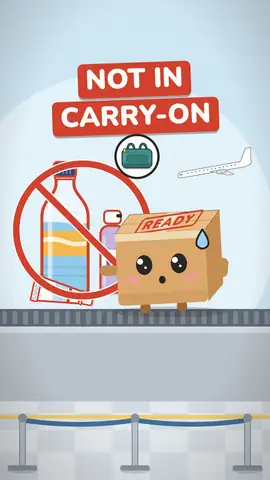
Three. Check for meat. Many countries ban or restrict meat snacks like jerky and sausage.
Declare all food when you land. If you don't, New Zealand can fine you 400 New Zealand dollars on the spot.
Check your country's food rules before you fly.
Sources & how we checked
The tips on this page were checked against these official pages:
- caa.go.jpConsumer Affairs Agency (Japan) - Guidelines for setting date labels, Q&A for consumers (Japanese, PDF)
- faq.calbee.co.jpCalbee - Customer FAQ: how to read the best-before date (Japanese)
- meiji.co.jpMeiji - Milk Chocolate BOX, storage (Japanese)
- morinaga.co.jpMorinaga - DARS Milk, storage (Japanese)
- glico.comEzaki Glico - Pocky Chocolate, storage (Japanese)
- nestle.jpNestlé Japan - KitKat Strawberry Chocolat, storage (Japanese)
- meiji.comMeiji Group - Meltykiss (global site)
- inspection.canada.caCanadian Food Inspection Agency - Bringing food into Canada for personal use
- agriculture.gov.auAustralian Department of Agriculture, Fisheries and Forestry - Bringing or mailing goods to Australia
- gov.ukUK Government - Bringing food into Great Britain: meat, dairy, fish and animal products
- mpi.govt.nzNew Zealand Ministry for Primary Industries - How to declare items when arriving in NZ
- mpi.govt.nzNew Zealand Ministry for Primary Industries - What happens if you fail to declare
- Updated
- Video
- 65 seconds, made by Ready in Japan
- Good to know
- Rules can vary by place. Follow local signs and staff.
Spotted something that has changed? Tell us in the comments on YouTube. How we make these pages